
1200mm led mirror
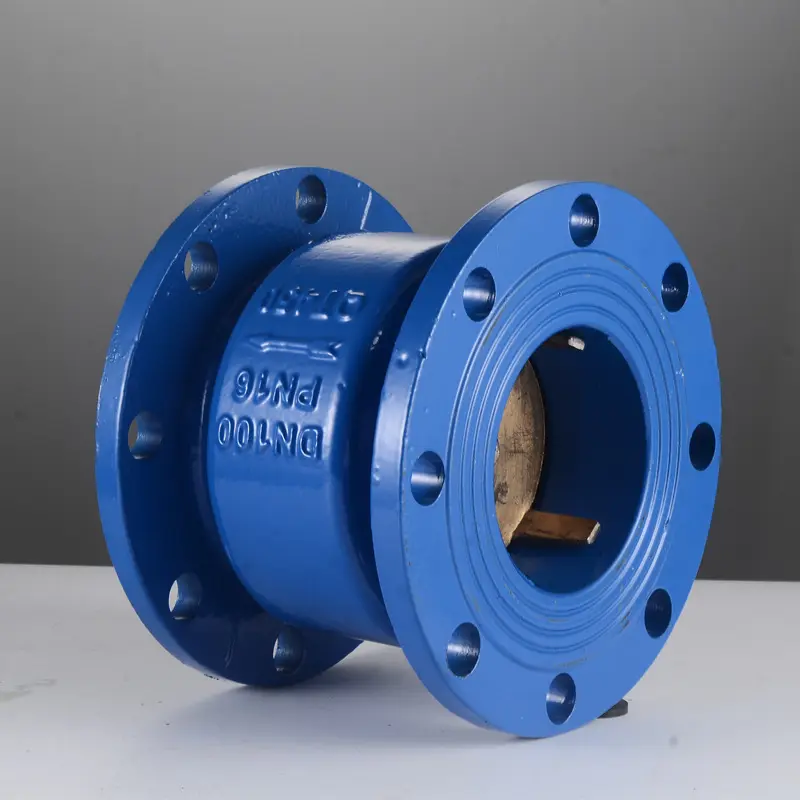
Types of Control Valves and Their Applications Control valves are essential components in various industrial processes, responsible for regulating fluid flow, pressure, and temperature within a system. They play a crucial role in automating and controlling processes in sectors such as oil and gas, water management, power generation, chemical manufacturing, and many others. Understanding the different types of control valves and their applications is vital for optimizing system performance and efficiency. 1. Globe Valves Globe valves are one of the most common types of control valves. They have a spherical body with a movable disc or plug that regulates flow. When the valve is partially opened or closed, the flow path changes, allowing for fine control over the flow rate. Globe valves are suitable for throttling applications and can handle high-pressure systems. They are widely used in chemical processing, water treatment, and HVAC systems. 2. Ball Valves Ball valves are known for their quick-response capability and reliability. They consist of a spherical disc that rotates to open or close the flow path. Ball valves are excellent for on/off control and can handle higher flow rates with lower pressure drops. Their tight sealing capabilities make them ideal for applications where leakage is a concern. They are commonly used in water supply systems, oil and gas applications, and as shut-off valves in various industrial processes. 3. Butterfly Valves Butterfly valves are characterized by a circular disc that rotates around a central axis to control flow. They are lightweight and require less space than other types of valves, making them suitable for applications with limited space. Butterfly valves are commonly used in large-scale systems such as water supply, wastewater management, and HVAC systems due to their ease of operation and cost-effectiveness. They provide good flow control and are highly efficient for larger pipes. 4 . Check Valves types of control valve and applications While technically not control valves in the traditional sense, check valves are crucial for preventing backflow in a system. They allow flow in one direction and automatically close when there is a reverse flow, protecting equipment and maintaining system integrity. Check valves are commonly used in water supply systems, fire protection systems, and oil and gas applications to ensure safety and reliability. 5. Pressure Relief Valves Pressure relief valves are critical for maintaining system safety by preventing excessive pressure buildup. When the pressure exceeds a predetermined limit, these valves open to release excess pressure, thus protecting equipment from damage. They are essential in industries like oil and gas, chemical processing, and power generation and are often used in conjunction with other control valves to ensure optimal performance and safety. Applications in Various Industries Different types of control valves are tailored for specific applications across various sectors. In the oil and gas industry, control valves regulate the flow of crude oil and natural gas, ensuring efficient extraction and transportation. In chemical manufacturing, they control the flow of reactants and products, maintaining optimal conditions for chemical reactions. In water treatment facilities, control valves regulate flow and pressure within pipelines to ensure clean and safe drinking water. Additionally, the power generation sector relies on control valves to manage steam and water flow in power plants, ensuring efficient energy production. HVAC systems utilize control valves to regulate air and water flow, contributing to energy savings and comfort in buildings. Conclusion Understanding the types of control valves and their respective applications is essential for engineers and operators in various industries. By selecting the appropriate control valve for specific needs, companies can enhance operational efficiency, ensure safety, and maintain system integrity. As industrial processes continue to evolve, the role of control valves in automation and control will remain pivotal in driving technology-forward solutions.
about
1200mm led mirror
How to Adjust a Water Pressure Reducing Valve A water pressure reducing valve (PRV) is a critical component in plumbing systems, particularly in areas where the municipal water supply pressure is too high. These valves help to regulate and lower the incoming water pressure to a safe and manageable level. Adjusting a PRV can improve the performance of your plumbing fixtures, extend the lifespan of your appliances, and enhance water efficiency. Here’s a step-by-step guide on how to adjust a water pressure reducing valve effectively. Understanding the Valve Before you begin the adjustment, it’s essential to understand how a PRV works. The valve typically has an adjustment screw or knob that controls the spring mechanism inside. This mechanism regulates the pressure of the water that passes through the valve. Tools You’ll Need - Adjustable wrench or pliers - Pressure gauge (for accurate measurements) - Screwdriver Step 1 Check the Current Pressure Before making any adjustments, you should determine the current water pressure in your system. To do this, attach a pressure gauge to an outdoor faucet or any other accessible water outlet. Turn on the water and note the pressure reading. The ideal household water pressure usually ranges between 40 to 60 psi (pounds per square inch). Step 2 Locate the PRV Identify the location of your PRV. It’s typically found near the main water supply line, often close to the water meter. The valve may look like a bell-shaped device or a cylindrical body. how to adjust water pressure reducing valve Step 3 Make Adjustments Once you have located the PRV and noted the current pressure, you can proceed with the adjustment 1. Loosen the Lock Nut If your PRV has a lock nut, use your adjustable wrench to loosen it, allowing you to turn the adjustment screw comfortably. 2. Adjust the Screw To increase the water pressure, turn the adjustment screw clockwise. To decrease the pressure, turn it counterclockwise. Make small adjustments (about a quarter turn) and re-check the pressure after each adjustment using the pressure gauge. 3. Recheck Pressure After making your adjustments, turn on a few faucets in your home to allow the system to stabilize. Take another reading with the pressure gauge to ensure the pressure is within your desired range. Step 4 Secure the Adjustment Once you have achieved the desired pressure, remember to tighten the lock nut on the PRV to keep the adjustment secure. Conclusion Adjusting a water pressure reducing valve is a straightforward process that can greatly benefit your plumbing system. By ensuring that you maintain an appropriate water pressure, you can optimize the efficiency of your plumbing fixtures and appliances. Regular checks and adjustments can help prevent leaks and damage, ensuring a longer lifespan for your plumbing system. If you encounter persistent issues or are unsure about the adjustments, don’t hesitate to consult a professional plumber for assistance.
-

High quality industrial productsagement

High quality industrial products
View Details -

Meet the diverse needs of customers

Meet the diverse needs of customers
View Details -

Strict quality control

Strict quality control
View Details -

Top raw materials

Top raw materials
View Details -

Trusted supplier

Trusted supplier
View Details
Our application

news and information
Valve de 3 pouces
La Vanne à Papillon de 3 Pouces Un Élément Clé dans la Gestion des Fluides Dans l'univers de la plo
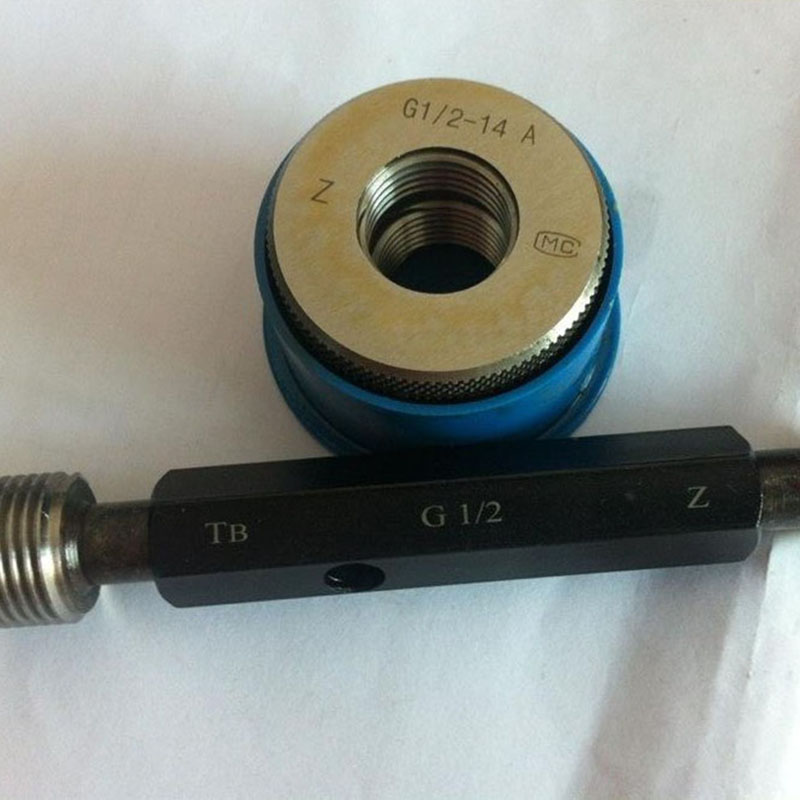
Wichtigkeit der Genauigkeit in der modernen Mess- und Regeltechnik
Der Einfluss von Gauge C auf die moderne Technologie In der heutigen digitalen Welt spielen Präzisio

Valve de 3 pouces
La Vanne à Papillon de 3 Pouces Un Élément Clé dans la Gestion des Fluides Dans l'univers de la plo
 English